-
Catching up: Data is still power, but who gets to use it?
It has been a little while since I last sat down to write here. In the meantime, the questions that have shaped much of my work have not become smaller. If anything, they have become more urgent. We are collecting more information than ever before. We can map forests, track rainfall, follow supply chains, monitor…
-
Maps that listen: GIS and community authority
Maps have a quiet kind of power. A line on a map can establish a boundary, guide an investment, justify a road, define a protected area, support a land claim or make a place disappear from view. For people working in government, development or conservation, maps can feel reassuring. They make a complicated landscape look…
-
Indigenous Data Sovereignty is not a setting in a database
There is a reassuring story that technology often tells about itself. We are told that if data is well organized, safely stored, properly anonymized and made available through the right platform, then its benefits will naturally follow. Better information will lead to better decisions. Better decisions will lead to better outcomes. In many contexts, that…
-
Reflections on James C. Scott
In a world where the struggles of Indigenous Peoples for their land, territories, and resources persist, the works of James C. Scott, a distinguished political scientist and anthropologist, make for an interesting read. While his research isn’t exclusive to Indigenous issues, his concepts and ideas shed light on the challenges these communities face in defending…
-
How Citizen-Generated Data Can Empower Indigenous Peoples: My Experience at the UNSD Expert Group Meeting
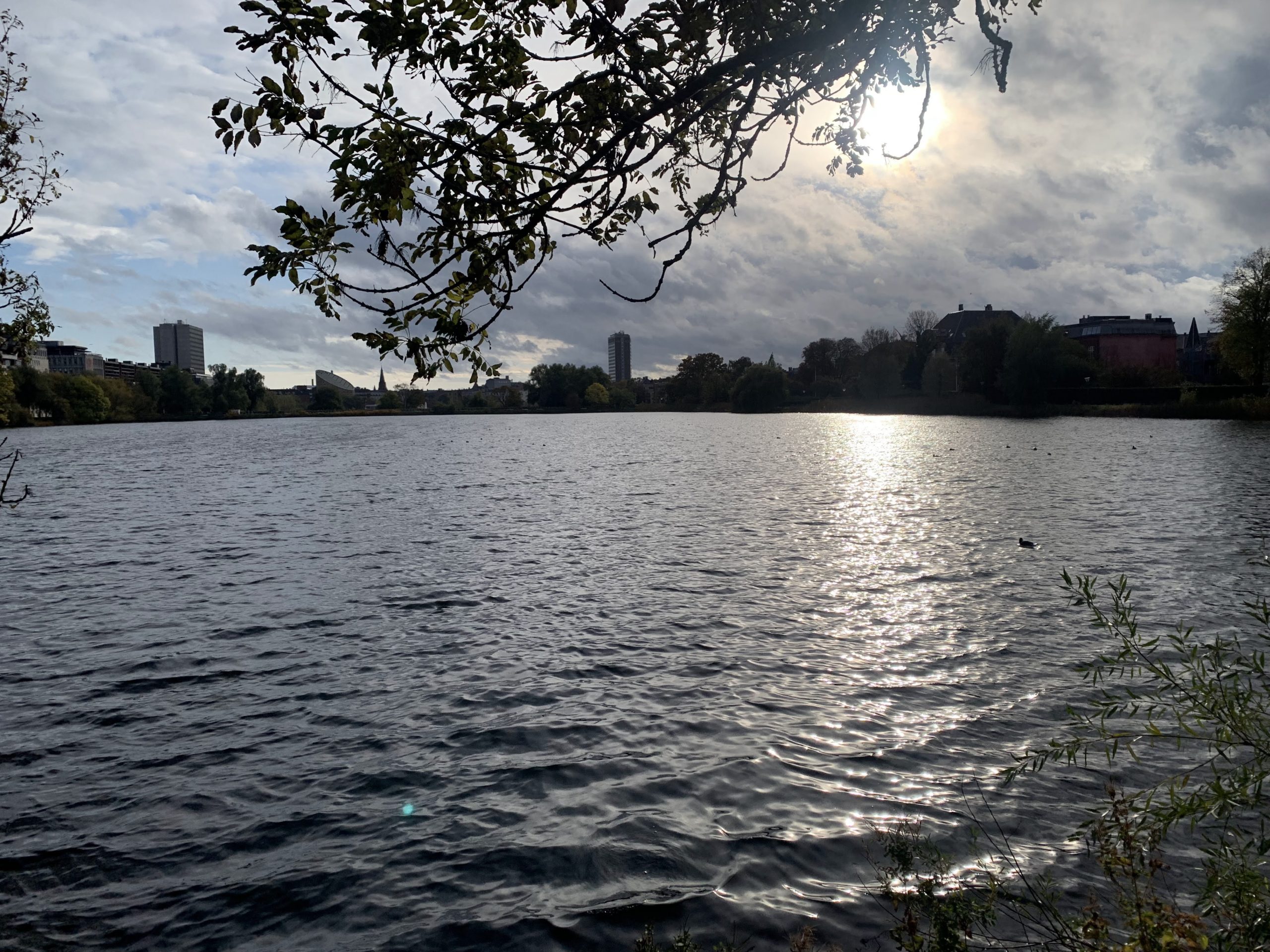
Last month, I had the opportunity to participate in a fascinating meeting organized by the United Nations Statistics Division (UNSD) in Copenhagen. The meeting brought together experts from different fields and sectors to discuss how citizens can contribute to data production and use for public policy and SDG monitoring. This topic is very close to…
-
The west fork
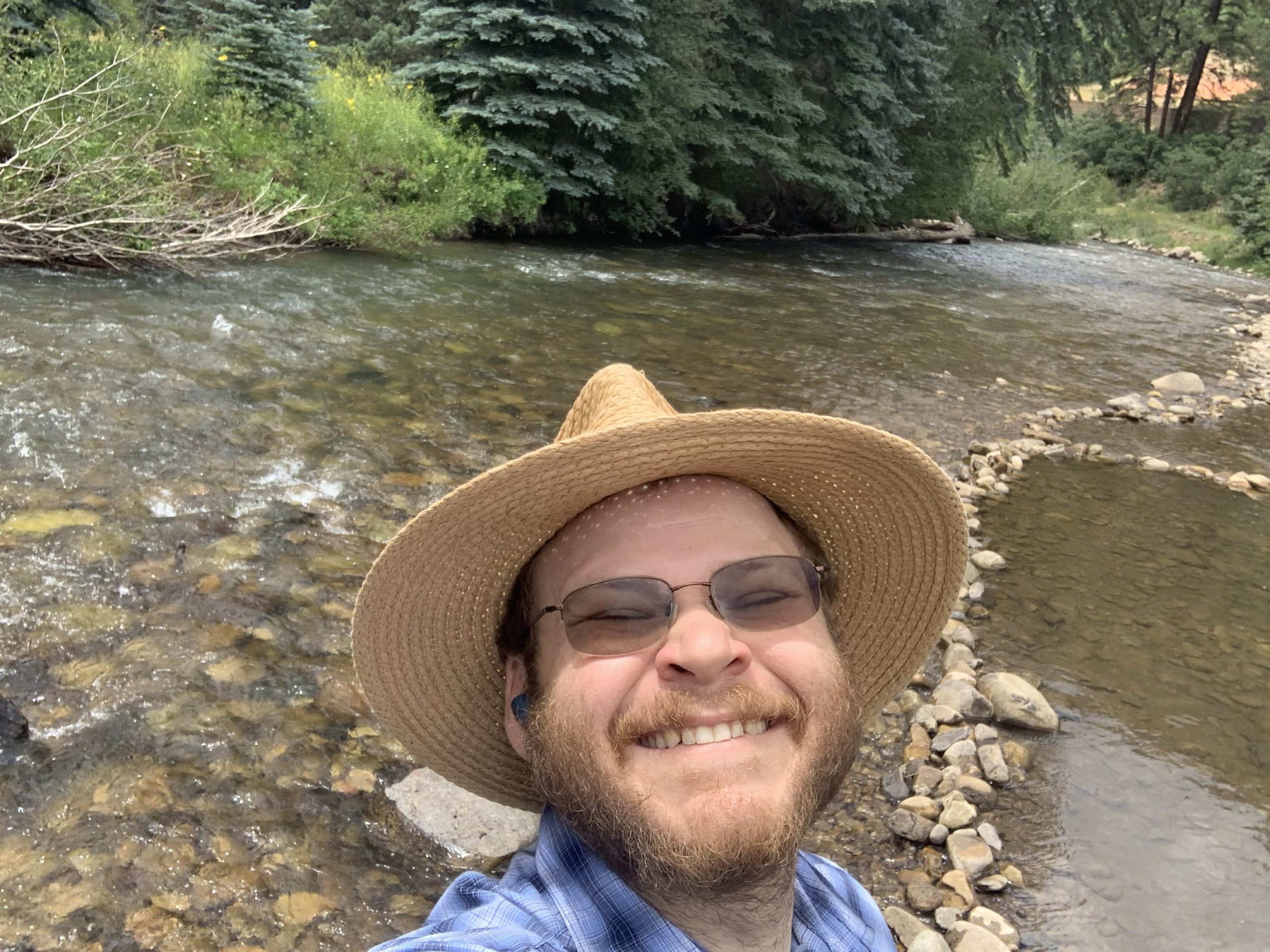
The West fork of the Dolores River in southwestern Colorado, is a hidden gem waiting to be explored. As a Colorado native and avid traveler, I can’t help but be captivated by the natural wonders this region has to offer. It is a place where I find solace and inspiration, a place where I can…
-
Crossing a boundary – 50 UN Countries
This year, I finally crossed the 50-country mark as a world traveler! 🎉 I have seen so many amazing places, met so many wonderful people, and learned so much about myself and the world. This blog is a space for me to share my thoughts on a topic that is very important to me and…
-
Why is it important that we use the right numbers when discussing the lower-bound population of Indigenous Peoples?
There are at least 476 million Indigenous Peoples worldwide! This is a lower bound estimate determined by the ILO, as many Indigenous Peoples are not officially recognized or counted by their governments. What is a lower bound estimate? A lower bound estimate is an estimate of the minimum value or quantity of something, based on…
-
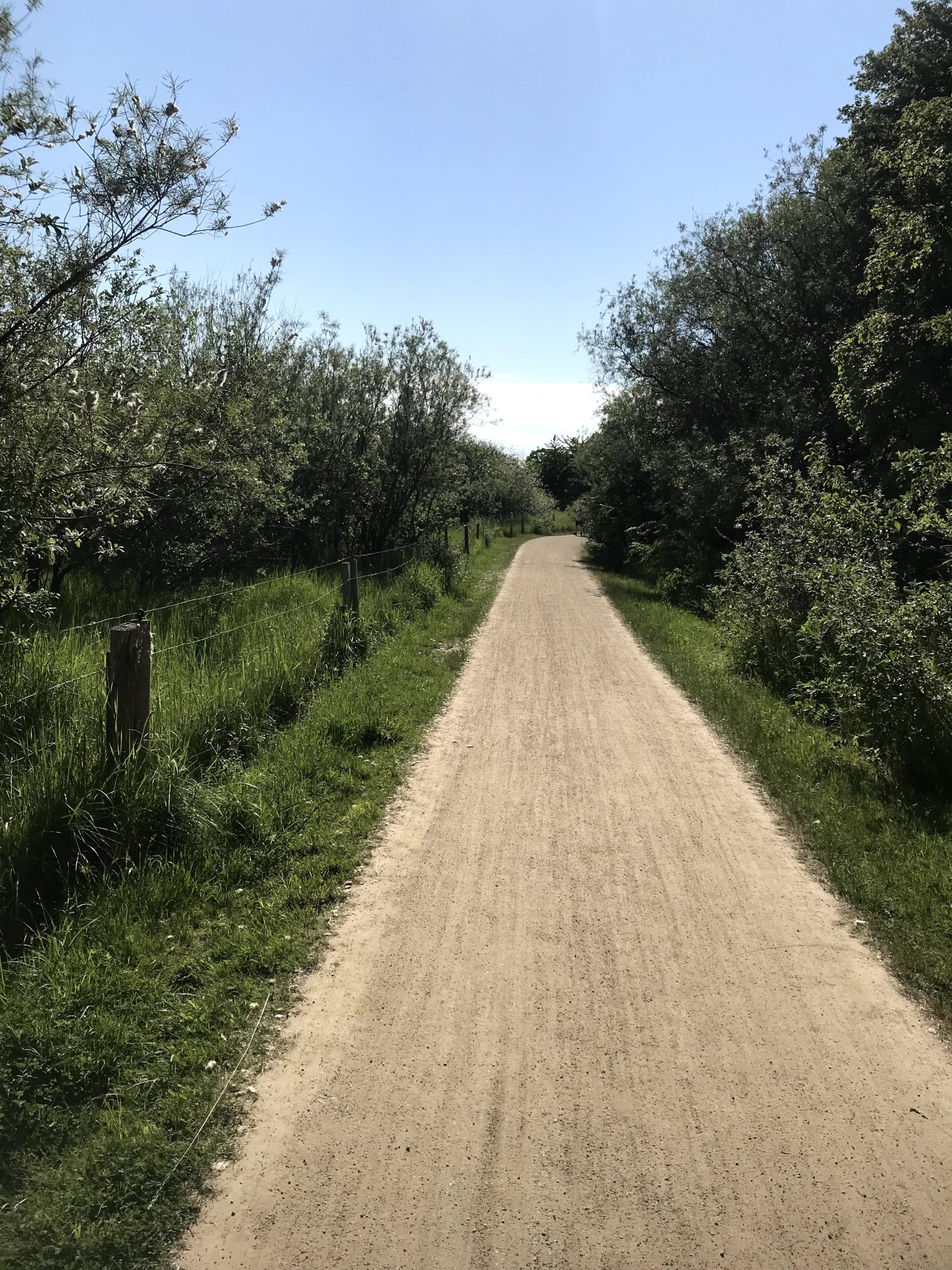
Rights violations and attacks against indigenous peoples in the shadow of the coronavirus pandemic
In the light of the COVID-19 Pandemic, Indigenous Peoples have demonstrated remarkable resilience and innovation. They have drawn on their traditional knowledge, practices and institutions to prevent and respond to the virus, as well as to support each other and their communities. As I continue to have conversations with partners around the world, they share…
-
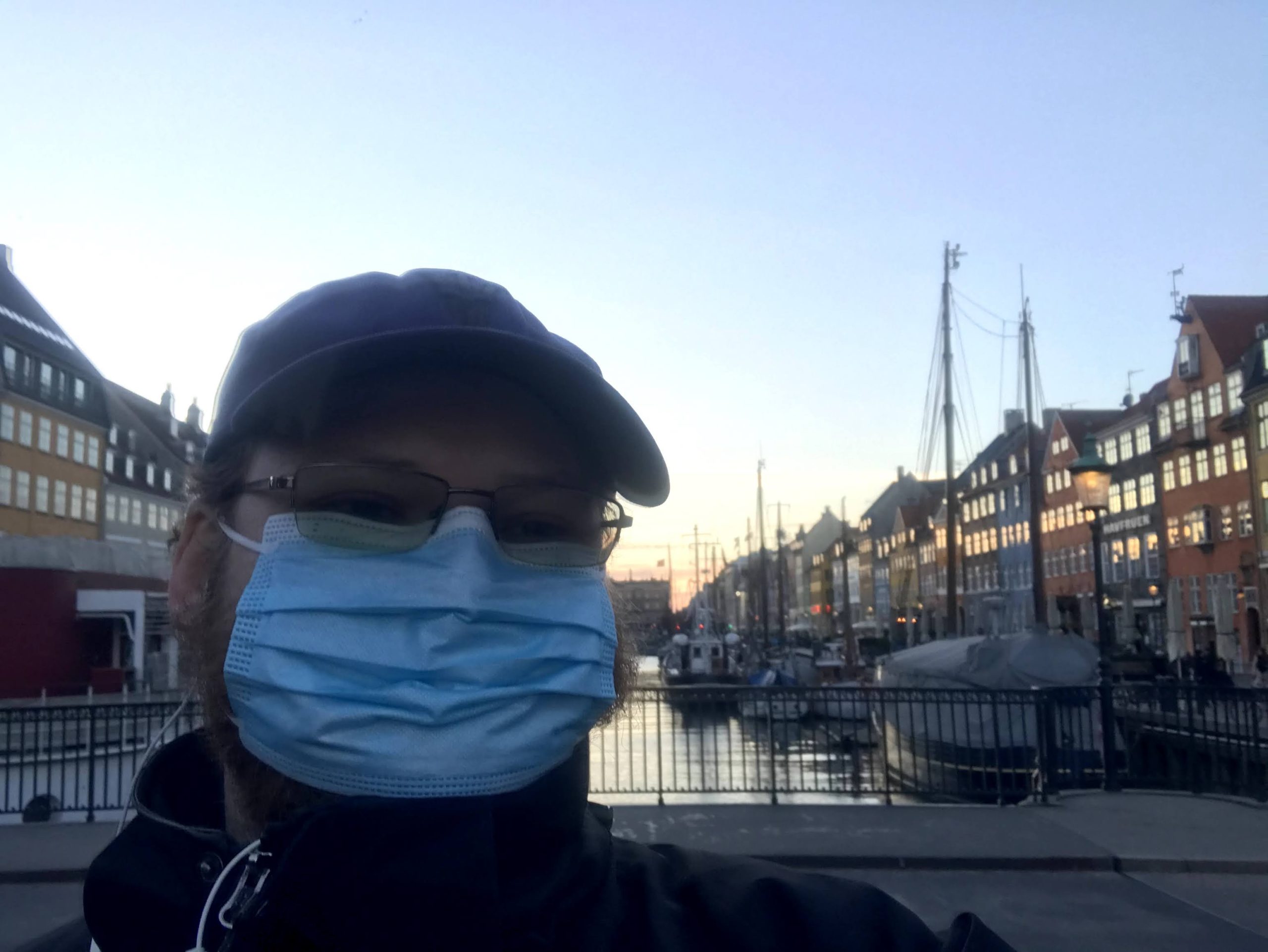
Reflections on 2020.
Looking back at 2020, as we remain in the throes of this global pandemic, I have been fortunate to have time to reflect on the pandemic’s impacts on Indigenous Peoples. This pandemic has been a global crisis, as we watch the latest data from around the world it is clear that it has affected millions…